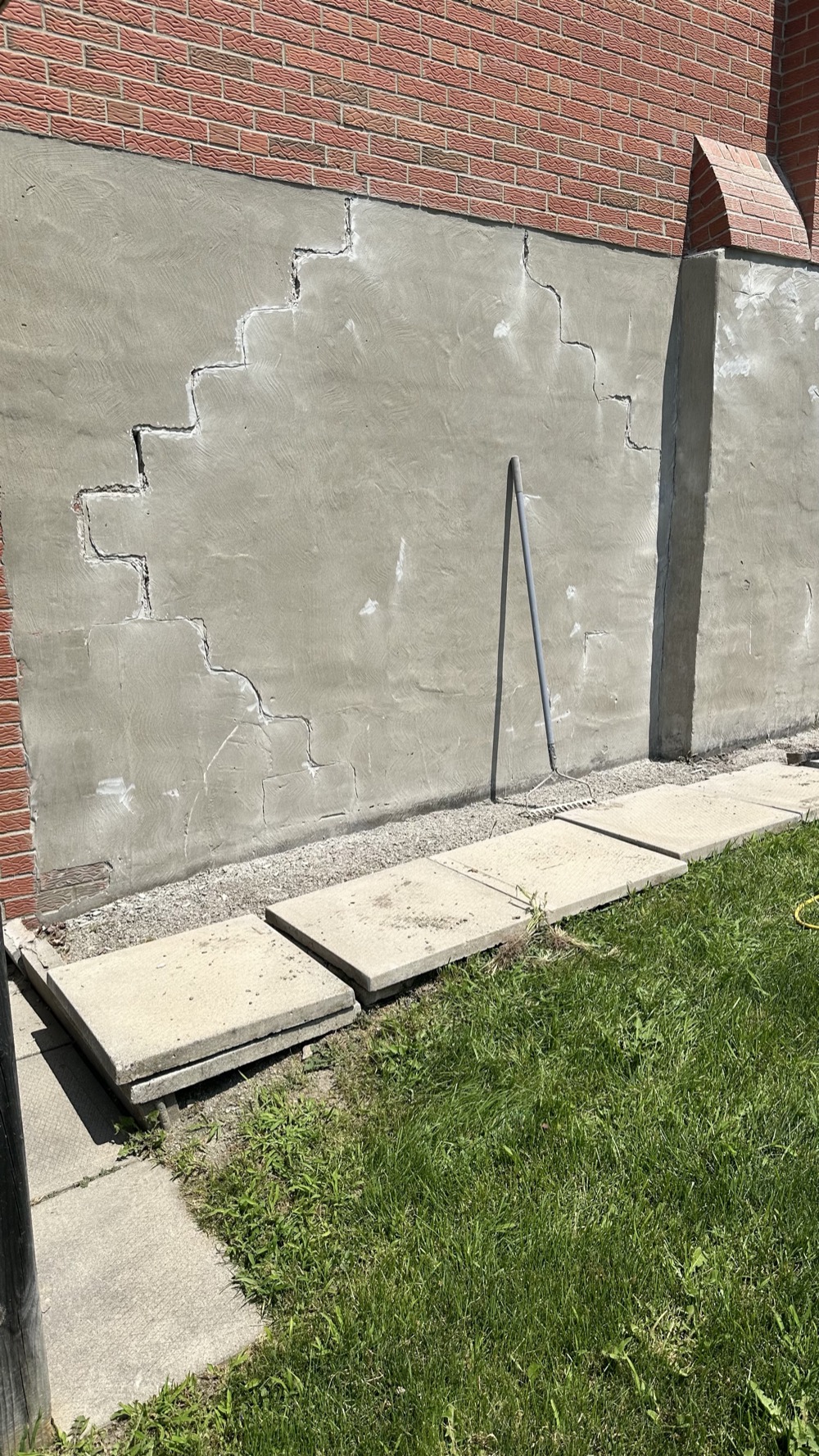
If you live in the GTA, your concrete has one real enemy. It isn't UV. It isn't traffic. It isn't time. It's water — and what water does when it freezes inside your concrete.
Toronto routinely sees 40–60 freeze-thaw cycles every winter. That's the temperature crossing the 0°C mark, both ways. Each one of those crossings is a stress event for your concrete. Multiply 50 cycles by 15 winters and you've put your porch through 750 stress events. That's why the porch in front of your house looks different from the day it was poured — and why some of them survive that beating while others crumble within a decade.
This guide explains exactly what freeze-thaw does to concrete, why some surfaces are far more vulnerable than others, and what genuinely protects your concrete from the GTA winter.
What Freeze-Thaw Actually Does
Concrete is porous. Even high-quality concrete has microscopic capillaries running through it. Water finds its way into those capillaries — from rain, from snowmelt, from humid air. That water sits there, and when the temperature drops below freezing, it expands by roughly 9%.
That expansion creates pressure inside the concrete. A single cycle isn't enough to break anything. But repeat that expansion-contraction 50 times a winter, and the concrete starts to fatigue. Microscopic cracks form. Those cracks let more water in. More water means more freezing pressure. More pressure means bigger cracks. And so on.
Eventually you see the result on the surface: flaking, spalling, hairline cracking, pitting — all of it driven by freeze-thaw working from inside the concrete outward.
Why Some Concrete Survives and Some Doesn't
The reason your porch is spalling while your neighbour's looks fine — even though you're in the same climate — usually comes down to four factors:
- Concrete quality at the time of pouring. Air-entrained concrete (with deliberately introduced microscopic air bubbles) is dramatically more freeze-thaw resistant. Cheap concrete or improperly mixed concrete fails earlier.
- Sealing history. Concrete that's been sealed regularly has dramatically lower water absorption. Unsealed concrete is essentially a sponge.
- Surface exposure. South-facing surfaces go through more thaw cycles than north-facing ones — they warm up in the sun, melt the snow, then refreeze overnight. More cycles means more damage.
- De-icing salt history. Salt accelerates freeze-thaw damage by a factor of 5–10×. It depresses the freezing point, which means water stays liquid inside the concrete longer, gets deeper, and freezes when the temperature drops harder.
If you remember one thing from this article, remember this: salt is the single most accelerating factor for freeze-thaw damage in the GTA. Two homes side-by-side, same age, same concrete — the one that's been salted every winter will fail 10–15 years before the one that wasn't. If you can't switch off salt entirely, switch to calcium-magnesium acetate or sand. Your concrete will thank you.
What Actually Protects Concrete From Freeze-Thaw
There's a lot of bad advice out there. Here's what genuinely works, ranked by effectiveness.
1. A Proper Sealer System (Most Important)
A high-quality penetrating sealer or topical sealer keeps water out of the concrete to begin with. No water in the capillaries means no freezing pressure. Most sealers need to be reapplied every 2–5 years depending on the product and the exposure. The honest reality is that most homes in the GTA have never had their concrete properly sealed — and that's the single biggest preventable risk.
2. A Polymer-Modified Decorative Overlay (Most Durable)
A Jewelstone or similar polymer-modified overlay, when properly installed and sealed, creates a freeze-thaw resistant top layer that protects the substrate beneath. This is what makes resurfacing valuable beyond aesthetics — the new surface is engineered for the climate in a way that old concrete usually wasn't.
3. Drainage Correction
Concrete that pools water — because the surface is no longer pitched correctly, or because a downspout dumps onto it — suffers far more freeze-thaw damage than concrete where water sheds off cleanly. If your porch holds water for hours after a rain, fixing the drainage is more important than any sealer.
4. Salt Discipline
Switching from rock salt (sodium chloride) to calcium-magnesium acetate, sand, or even kitty litter for traction will dramatically slow freeze-thaw damage. This is free. Most homeowners don't bother. The ones who do — their porches last twice as long.
5. Quick Snow Removal
Letting snow sit on a porch all winter creates a constant water source as it melts and refreezes. Shoveling promptly, especially before the first warming day, prevents that water from ever entering the concrete.
What Doesn't Actually Help (But People Think Does)
- Painting concrete with regular paint. Paint isn't a sealer. It often makes things worse by trapping moisture underneath.
- "Concrete refresher" sprays from hardware stores. Most of these are just thinned acrylic. They look better for 6 weeks, then peel.
- Covering with rugs or mats all winter. Mats trap moisture against the surface. They make spalling much worse.
- Salt blends marketed as "concrete safe." Read the label. If the active ingredient is sodium chloride or even calcium chloride, it still accelerates damage. Only calcium-magnesium acetate is genuinely concrete-friendly.
The Pre-Winter Checklist (Do This in October)
The best time to protect concrete is before the first hard frost. If you haven't done this checklist yet, do it next October — and put it on a recurring calendar reminder every year.
- Inspect for new cracks or damage. Anything that opened up over summer needs to be addressed before winter. Water will exploit every gap.
- Clean the surface thoroughly. Pressure wash. Let it dry completely.
- Reseal if needed. If it's been more than 2–3 years since the last sealing, or if water no longer beads on the surface, it's time.
- Check drainage. Test it with a hose. Water should flow off cleanly within minutes, not sit and pool.
- Trim back vegetation. Plants and dirt sitting against concrete edges trap moisture year-round.
- Stock up on the right de-icer. Buy calcium-magnesium acetate or sand now. Don't let an icy morning force you back to rock salt.
If Damage Has Already Started
If your concrete is already showing freeze-thaw damage — spalling, flaking, hairline cracking — the question isn't whether to act, it's how to act. The longer you wait, the deeper the damage gets, and the more the cost shifts from resurface to replace.
Light damage (cosmetic flaking, surface spalling, small cracks):
Excellent candidate for resurfacing. A polymer-modified overlay with proper sealing will not only fix the visible damage but also dramatically reduce future freeze-thaw vulnerability.
Moderate damage (deeper spalling, multiple cracks, sealer failure):
Still resurfaceable in most cases, with structural repair done first. Cost is usually 40–60% less than replacement.
Severe damage (large failed sections, exposed rebar, structural cracks, settlement):
An honest assessment is needed. Sometimes resurfacing is still possible after structural work. Sometimes replacement is genuinely the right call. We tell homeowners which one applies when we look at the actual concrete.
The Right Time of Year to Resurface
Decorative concrete overlays cure best between 10°C and 27°C. That means in the GTA, the prime installation window runs from late April through October. Anything done outside that window requires careful temperature management, heating tents, or both — possible but more expensive and not always recommended.
If you've spotted freeze-thaw damage this winter, the right move is to book the estimate now and schedule the work for spring. Booking early gets you on the schedule before the May–June rush, often with better pricing.